
Blog Details
10. Compliance Checklist For Starting Your New Business

The essential guide to compliance requirements for starting your new business
Imagine standing at the edge of a vast ocean, the waves crashing with the promise of adventure and discovery. Your heart races with excitement at the thought of diving in, but a shadow of doubt lingers—what if the waters are deeper and more treacherous than they appear? This is often how aspiring entrepreneurs feel when dreaming of starting their own business. The allure of bringing your passion to life is intoxicating, yet the complexities of compliance and legal requirements can feel overwhelming.
Think of compliance not as a barrier, but as a safety net—an essential framework that protects your dreams and allows them to flourish. In this blog, we will explore the key compliance requirements that every new business owner should consider, ensuring that your path to success is both lawful and sustainable.
Step 1: Define Your Business Idea
Before any legal steps, clearly define your business concept. Identify your target market, value proposition, and business model. This clarity will guide your compliance needs and help you select the appropriate business structure.
Step 2: Choose a Business Structure
Your first step in setting up a business is selecting a structure that suits your needs. This choice impacts your liability, tax obligations, and compliance requirements. Common structures include:
- Sole Proprietorship: Register the business name and obtain necessary licenses.
- Partnership: Draft and register a partnership deed.
- Limited Liability Partnership (LLP): Register with the Ministry of Corporate Affairs (MCA).
- Private/Public Limited Company: Register with MCA and obtain a Certificate of Incorporation.
Understanding these structures helps you make informed decisions that align with your business goals. Explore our blog no.7 to know more about the benefits, challenges & tax benefits of different business structures.
Step 3: Register Your Business Name
Choosing a memorable and unique business name is vital for branding. However, it’s equally important to ensure that the name is legally available. This process typically involves:
- Checking with your state’s business registry.
- Conducting a trademark search to avoid infringement.
- Registering your business name and securing a domain for your online presence.
- A trademark can provide legal protection for your brand, logo, products, and services.
A well-registered name not only protects your brand but also establishes credibility with customers.
Step 4: Obtain Necessary Licenses and Permits
Different industries and locations have specific licensing and permit requirements. Common types include:
- General Business License: Required in most jurisdictions.
- Industry-Specific Licenses: Needed for sectors like healthcare, food service, and construction.Es. FSSAI, ISO, etc.
- Zoning Permits: Necessary if you operate from a physical location.
Researching these requirements early on ensures you operate within the law and avoid fines.
Step 5: Understand Your Tax Obligations
Tax compliance is a cornerstone of running a business. Here are key tax considerations:
- Permanent Account Number (PAN): Mandatory for tax purposes, applicable for all business sturctures.
- Tax Deduction and Collection Account Number (TAN): Required for businesses that deduct or collect tax at source.
- Tax Deducted at Source (TDS): In India, when starting a new business and hiring employees, there are specific compliance requirements regarding Tax Deducted at Source (TDS) and Tax Collected at Source (TCS) on certain payments such as salaries, profession fees, etc.
- Good and Service Tax: Register and obtain Good and Service Tax Identification Number (GSTIN) if you sell taxable goods or services.
- Income Tax: Understand how your business structure affects your personal and business tax filings.
- Payroll Taxes: If you have employees, ensure you are compliant with payroll tax requirements.
Setting up a reliable accounting system will help you manage these obligations effectively.
Step 6: Comply with Employment Laws
If you plan to hire employees, it’s crucial to understand the laws governing employment. Key aspects include:
- Employee Registration: Register with Employees' Provident Fund Organization (EPFO) if applicable.
- Employee State Insurance (ESI): Mandatory for businesses with a specified number of employees.
- Wage and Hour Laws: Ensure compliance with minimum wage and overtime regulations (Minimum Wages Act, 1948).
- Workplace Safety: Adhere to Occupational Safety and Health Administration (OSHA) standards.
- Anti-Discrimination Laws: Create a fair and inclusive workplace.
Fostering a positive work environment not only meets legal requirements but also enhances employee satisfaction.
Step 7: Ensure Environmental Compliance
For businesses involved in manufacturing or those that impact the environment, compliance with environmental laws is essential. Considerations include:
- Environmental Permits: Required for operations that affect air, water, or land.
- Waste Management Regulations: Ensure proper disposal and recycling of materials.
Understanding these regulations is vital for sustainable operations and can enhance your brand’s reputation.
Step 8: Obtain Business Insurance
Protecting your business with the right insurance is a fundamental compliance requirement. Key types include:
- General Liability Insurance: Covers basic risks associated with operating a business.
- Professional Liability Insurance: Important for service-based businesses to protect against claims of negligence.
- Workers’ Compensation Insurance: Mistakes are quite commonplace on the job. If your company does not have workers' compensation insurance, you may be held legally responsible for any damages caused by accident, no matter how little. Doing so can end up bankrupting your company. Workers' compensation insurance is a crucial component of every small Business's insurance plan if it has any employees.
Investing in adequate insurance coverage safeguards your business against unforeseen challenges.
Step 9: Stay Updated and Maintain Compliance
Once your business is up and running, ongoing compliance is crucial. Regularly review your compliance status to ensure you meet all legal requirements. Consider:
- Keeping abreast of changes in local, state, and federal laws.
- Renewing licenses and permits as required.
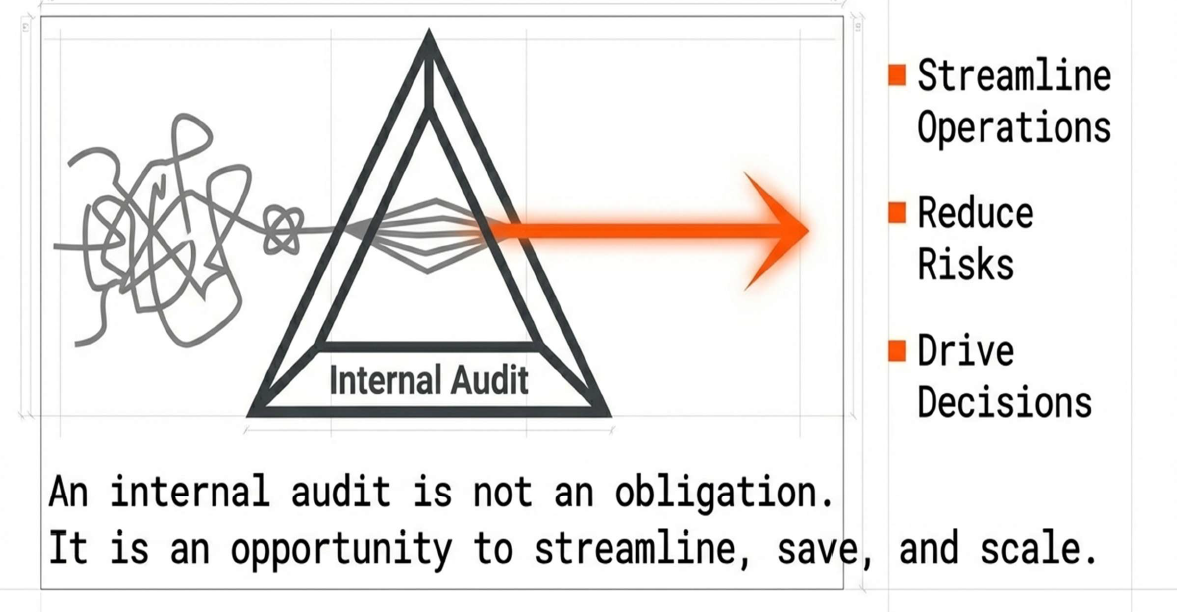
- Conducting regular internal audits to ensure ongoing compliance
- Filing Annual Returns and Financial Statements with MCA required for companies and LLPs.
- Filing annual Income Tax Returns, GST returns, and other tax returns as required on a timely basis.
Starting a new business is an exhilarating adventure, but compliance is an essential part of the process. By understanding and addressing these compliance requirements, you can create a strong foundation for your business that not only protects you legally but also paves the way for sustainable growth. One of the best examples of successfully running a business is Howard Schultz, the former CEO of Starbucks. Howard Schultz's leadership at Starbucks exemplifies how a strong vision, customer-centric approach, innovation, and brand identity can lead to remarkable business success. His ability to adapt and focus on both employees and customers has created a legacy that continues to inspire entrepreneurs and business leaders worldwide.
"The only limit to our realization of tomorrow will be our doubts of today."
So, go forth with confidence and determination. Your entrepreneurial adventure awaits, and the possibilities are limitless. The world is ready for your vision—make it happen!
Latest posts






















Copyright | All Rights Reserved H M R R & Associates