
Blog Details
26. Top 5 Red Flags Investors Notice in a Startup’s Financial Statements
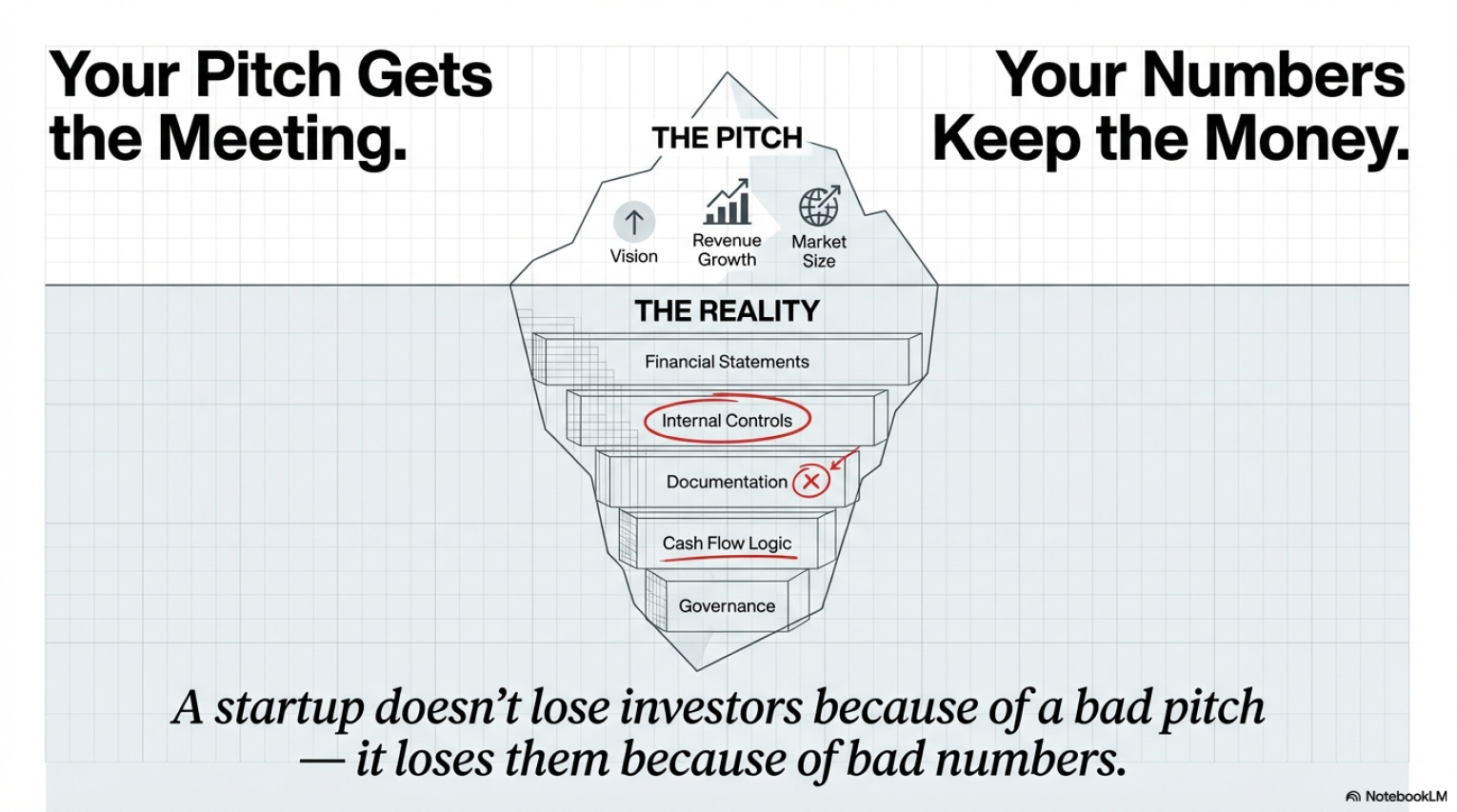
A startup doesn’t lose investors because of a bad pitch — it loses them because of bad numbers.
Behind every rejected funding round is usually a financial story investors didn’t like. Experienced investors don’t just scan revenue growth or profit projections; they analyze financial statements like detectives. Small inconsistencies, unexplained fluctuations, or weak documentation can instantly signal risk, poor management, or instability.
For startups, these warning signs aren’t just accounting issues — they’re trust issues. And once investor confidence is shaken, it’s incredibly hard to rebuild.
Below are five financial red flags that make investors hesitate — and how startups can avoid them.
1. Inconsistent Financial Statements
Investors carefully examine the income statement, balance sheet, and cash flow statement as an integrated system. When these documents contain discrepancies or conflicting figures, it raises immediate concerns. Inconsistencies may suggest weak internal controls, careless accounting, or in extreme cases, deliberate manipulation.
For example, revenue figures that don’t align with cash flow patterns can signal a lack of financial oversight or misunderstanding of accounting fundamentals.
Tip for startups:
Ensure financial statements are prepared and reviewed by qualified professionals. Accuracy and consistency build investor confidence.
2. Excessive Debt Levels
Heavy reliance on debt financing is a major red flag. A high debt-to-equity ratio suggests the company may struggle to meet repayment obligations, particularly during market downturns. Investors view excessive leverage as a threat to long-term sustainability.
Tip for startups:
Maintain a balanced capital structure and clearly communicate the strategic purpose of any borrowing. Transparency reduces perceived risk.
3. Unexplained Revenue Fluctuations
Rapid revenue growth can be impressive—but unexplained spikes trigger skepticism. Investors want assurance that growth is driven by sustainable business activities, not temporary boosts or aggressive accounting practices.
Sudden increases without clear operational drivers may indicate improper revenue recognition or unstable income sources.
Tip for startups:
Provide context for revenue changes. Whether growth comes from new partnerships, product launches, or seasonal demand, document the drivers behind the numbers.
4. Missing Supporting Documentation
Strong financial statements must be backed by verifiable records such as contracts, invoices, and receipts. Disorganized or incomplete documentation suggests poor governance and weak internal controls.
During due diligence, missing records quickly erode trust and slow the investment process.
Tip for startups:
Implement a reliable record-keeping system and maintain audit-ready documentation at all times.
5. Frequent Accounting Changes
Repeated changes in accounting policies or restated financial results create uncertainty. Investors prefer stability and predictability. Constant revisions may indicate poor accounting practices or attempts to obscure performance trends.
Tip for startups:
Adopt consistent accounting policies and disclose any necessary changes clearly, including their financial impact.
Final Thoughts: Turning Red Flags into Strengths
Investors prioritize transparency, discipline, and proactive financial management. Startups that address weaknesses openly are more likely to earn trust and long-term support.
Key principles include:
- Be transparent: Discuss financial challenges honestly and early.
- Prioritize stability: Build sustainable revenue streams and manageable debt levels.
- Communicate regularly: Keep investors informed about performance, milestones, and corrective actions.
By confronting financial red flags directly and demonstrating accountability, startups not only improve their investment appeal but also build a stronger foundation for long-term success.
Complied by Ms. Subathra, Audit Executive - H M R R & Associates
Latest posts

























Copyright | All Rights Reserved H M R R & Associates