
Blog Details
30. High Burn Rate, Short Runway: Practical Survival Strategies for Startups
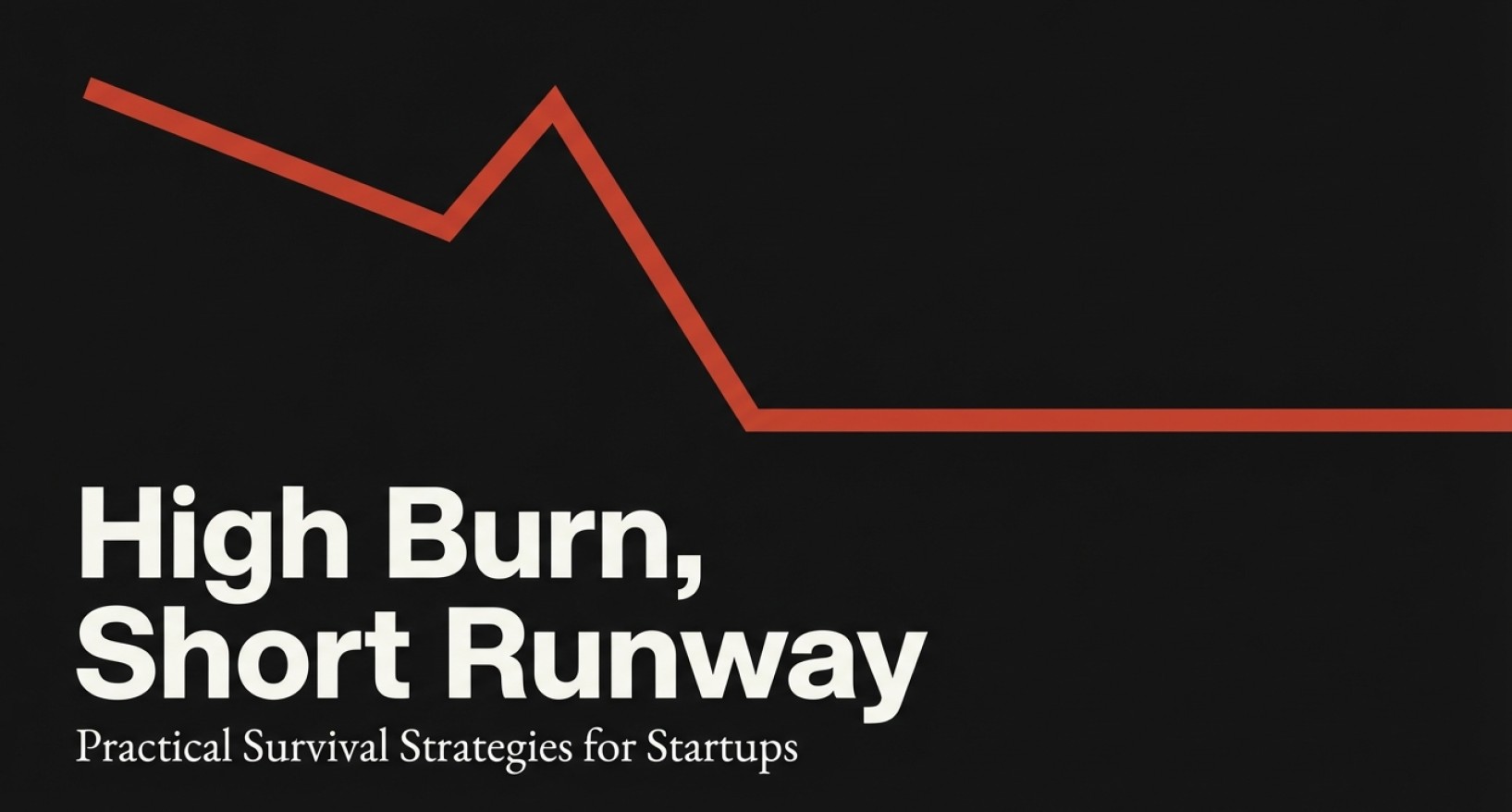
PRESENT DAY: Ground Reality
You randomly check your banking app casually—just another glance at the balance.
Current balance: ₹38,42,615.
Your entrepreneur instinct kicks in and you calculate your monthly burn and runway.
Monthly burn of ₹11 lakhs per month, which gives a runway of 3.5 months
And suddenly, THIS feels heavier.
SIX MONTHS BACK: The Illusion of Stability
Six months ago, things felt solid. Hiring was moving quickly. Marketing budgets were expanding. A bigger office had been signed. Product releases were frequent. Team morale was high. Investor conversations were optimistic. Growth charts looked promising in review meetings and……
Revenue was PROJECTED to GROW!!!
But what happens if Revenue does not grow as projected? Your High Burn rate comes back and bites you where it hurts most! Not with a dramatic crash. But with a small delay in the Growth. Because projections don’t pay salaries, actual cash does!
So, what do you actually do when your burn rate is high?
Practical Ways to Reduce Burn (Without Killing the Company)
1. Freeze Ego Decisions
If something was done to look bigger—pause it.
The oversized office. The vanity branding. The premature expansion. Survival comes first. Image can wait.
Growth optics don’t matter if you don’t survive long enough to grow.
2. Pause Hiring Immediately
If current revenue doesn’t support your existing payroll, adding headcount is not ambition—it’s risk.
Optimize the team you already have. Reallocate responsibilities. Focus on productivity before expansion.
3. Cut Low-Performing Marketing Spend
If ads aren’t converting, stop them.
This is not the time to justify spending with vague “brand building” narratives. In survival mode, measurable ROI is the only metric that matters.
Cash preservation beats visibility.
4. Renegotiate Everything
Most founders never ask.
Renegotiate vendor contracts. Software subscriptions. Office leases. Payment terms. When you communicate transparently, many partners are willing to adjust.
Cash timing can be just as critical as cash volume.
5. Focus on Existing Customers
Retention is cheaper than acquisition. Always.
Call your customers. Understand their needs. Improve renewals. Offer annual discounts for upfront payments. Strengthen relationships.
In tight runway scenarios, existing customers are your strongest asset.
6. Improve Receivables
Cash delayed is runway reduced.
Follow up consistently. Shorten credit periods. Introduce structured invoicing cycles. Improve collections discipline.
Revenue on paper doesn’t pay salaries—cash in the bank does.
7. Kill (or Pause) Side Projects
If a project doesn’t directly improve revenue or retention within the next 3–6 months, pause it.
Not forever. Just for now.
Focus creates survival. Distraction accelerates burn.
8. Review Numbers Weekly
When runway is short, monthly reviews are too slow.
Track cash flow weekly. Monitor burn aggressively. Make course corrections faster.
Speed becomes a survival tool.
The Hardest Step: Accept Reality Early
The earlier you act, the softer the adjustments.
The longer you delay, the harsher the decisions.
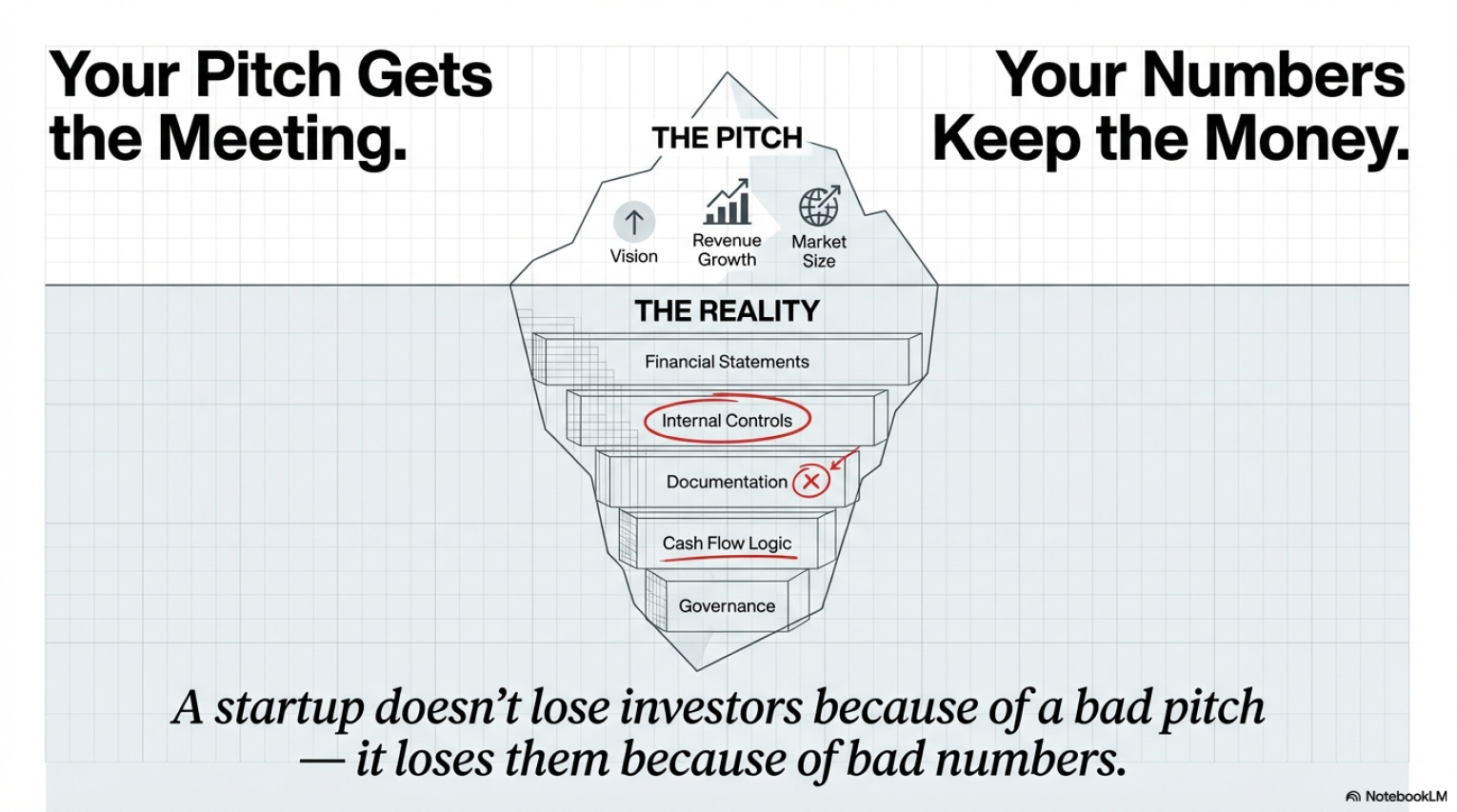
Startups rarely collapse because the product suddenly becomes irrelevant or the team becomes incompetent overnight. They collapse because leadership delays difficult decisions.
They try to look big instead of staying alive.
And that shift—ego to discipline—changes everything.
The Truth Founders Rarely Say Out Loud
Startups don’t die when they run out of ideas.
They die when they run out of cash.
You can survive a bad month.
You can survive slow growth.
You can survive a failed feature.
But you cannot survive an empty bank account.
Startups don’t collapse suddenly.
They slowly bleed while everyone says,
“Next month will be better.”
Until one day, there is no next month.
Compiled by Mr. Ravindra - Audit Assistant, H M R R & Associates
Latest posts
























Copyright | All Rights Reserved H M R R & Associates